Step 11: Multi-Agent Routing
Route right job to right agent.
Prerequisites
Same as Step 10 - copy the config file and add your API key:
cp default_workspace/config.example.yaml default_workspace/config.user.yaml
# Edit config.user.yaml to add your API keys
What We Will Build
Route messages to different agents based on where they come from.
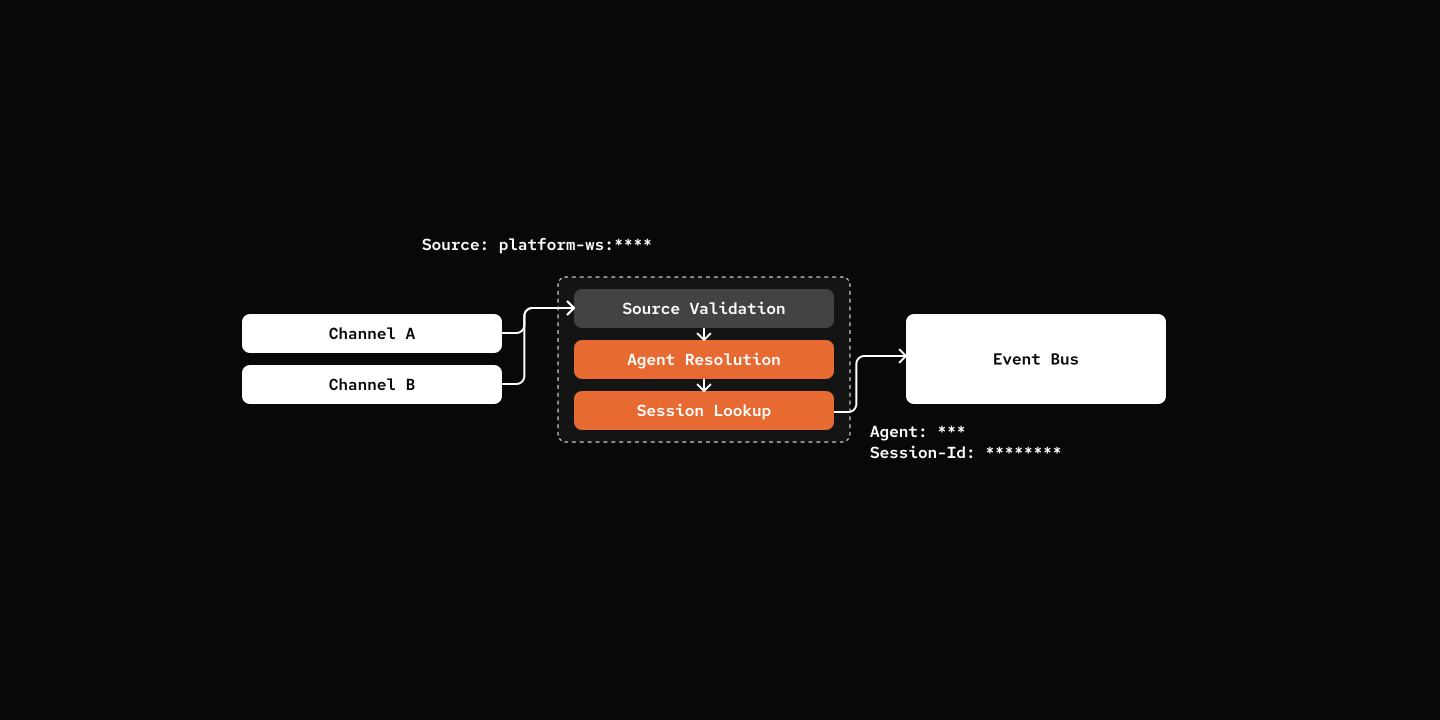
Key Components
- AgentLoader - Agent Discoveries for multi agent definition support
- RoutingTable - Routes sources to agents using regex bindings with tiered specificity
- Binding - A source pattern + agent mapping with automatic tier computation
- New Commands -
/route,/bindings,/agentsfor managing multi-agent setup
src/mybot/core/agent_loader.py
class AgentLoader:
    def discover_agents(self) -> list[AgentDef]:
        """Scan agents directory and return list of valid AgentDef."""
        return discover_definitions(
            self.config.agents_path, "AGENT.md", self._parse_agent_def
        )
Define customized agent in <workspace>/agents/<agent_id>/AGENT.md
@dataclass
class Binding:
    agent: str
    value: str
    tier: int
    pattern: Pattern  # Compiled regex

    def _compute_tier(self) -> int:
        """Compute specificity tier."""
        if not any(c in self.value for c in r".*+?[]()|^$"):
            return 0  # Exact match
        if ".*" in self.value:
            return 2  # Wildcard
        return 1  # Specific regex

@dataclass
class RoutingTable:
    def _load_bindings(self) -> list[Binding]:
        bindings_data = self.context.config.routing.get("bindings", [])

        bindings_with_order = [
            (Binding(agent=b["agent"], value=b["value"]), i)
            for i, b in enumerate(bindings_data)
        ]
        bindings_with_order.sort(key=lambda x: (x[0].tier, x[1]))
        self.bindings = [b for b, _ in bindings_with_order]

        return self.bindings

    def resolve(self, source: str) -> str:
        for binding in self._load_bindings():
            if binding.pattern.match(source):
                return binding.agent
        return self.context.config.default_agent

    def get_or_create_session_id(self, source: EventSource) -> str:
        source_session = self.context.config.sources.get(str(source))
        if source_session:
            return source_session.session_id

        # Resolve agent and create new session
        agent_id = self.resolve(str(source))
        agent_def = self.context.agent_loader.load(agent_id)
        agent = Agent(agent_def, self.context)
        session = agent.new_session(source)

        self.context.config.set_runtime(
            f"sources.{str(source)}", SourceSessionConfig(session_id=session.session_id)
        )
return session.session_id- Tiered Routing Rules: Find rules matching inbound source, starting from most specific rules.
- Default Fallback: Fall back to global default agent if no rules match.
src/mybot/server/channel_worker.py
async def callback(message: str, source: EventSource) -> None:
    # ... validation ...

    # Use routing_table to resolve agent from bindings
    session_id = self.context.routing_table.get_or_create_session_id(source)

    # Publish event
    event = InboundEvent(session_id=session_id, source=source, content=message)
    await self.context.eventbus.publish(event)
Try it out
cd 11-multi-agent-routing
uv run my-bot agents chat

# You: /agent
# pickle: **Agents:**
# - `cookie`: Memory manager for storing, organizing, and retrieving memories
# - `pickle`: A friendly cat assistant talk to user directly, managing daily tasks. (current)

# You: /bindings
# pickle: No routing bindings configured.

# You: /route platform-ws:* cookie
# pickle: ✓ Route bound: `platform-ws:*` → `cookie`
What's Next
Step 12: Cron + Heartbeat - Scheduled tasks and health monitoring.